.png)




By using our website, you agree to the use of cookies as described in our Cookie Policy
We Are Happy to Service All Carlynda Jewelers Clients
Jewelry Appraisals in Annapolis for Insurance and Estate Needs
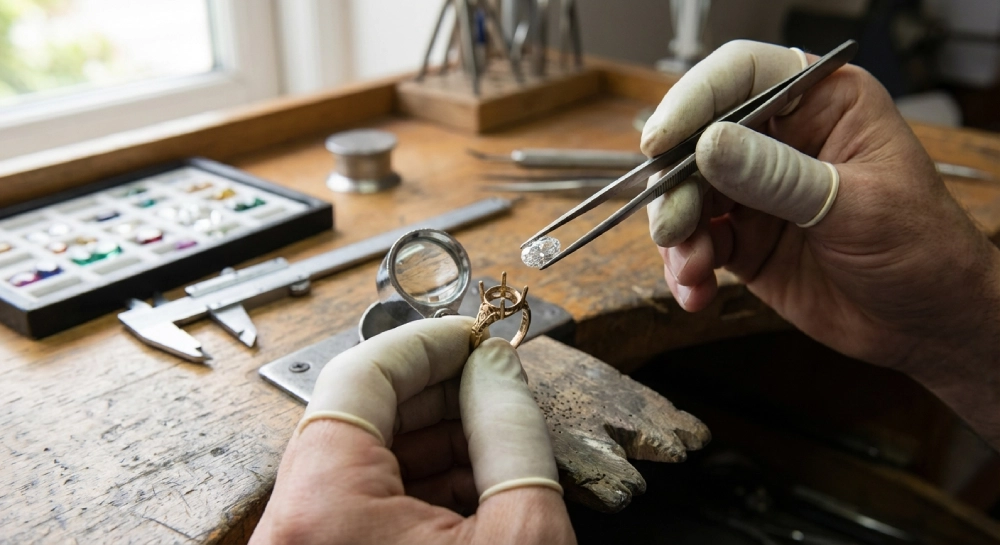
Most people think jewelry appraisals are just about slapping a number on a ring. But the insurance company sees more than that — and if you don't, you're asking for trouble. That diamond your grandmother left you? It may look priceless, but without proper documentation, it's just another item on a claim form. Especially if you're filing for loss or dividing an estate.
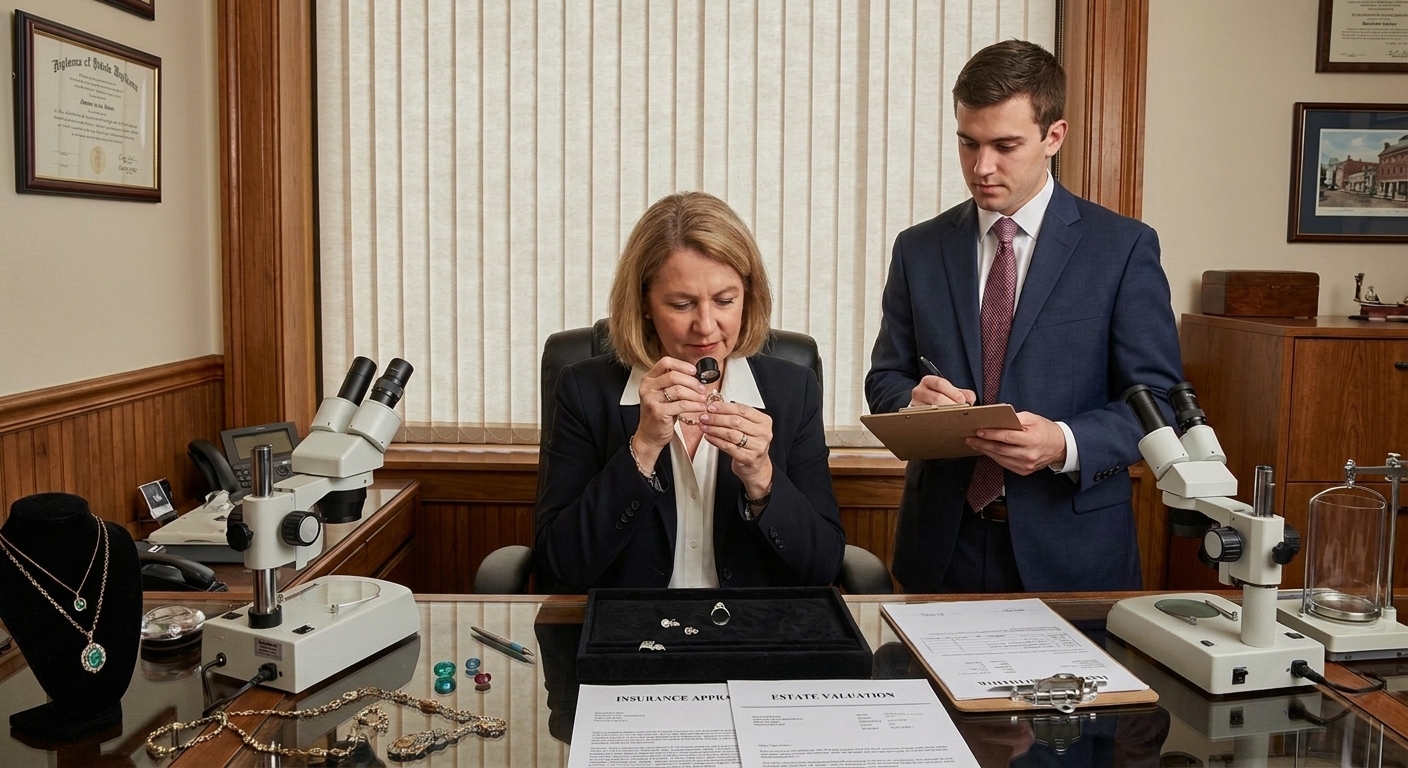
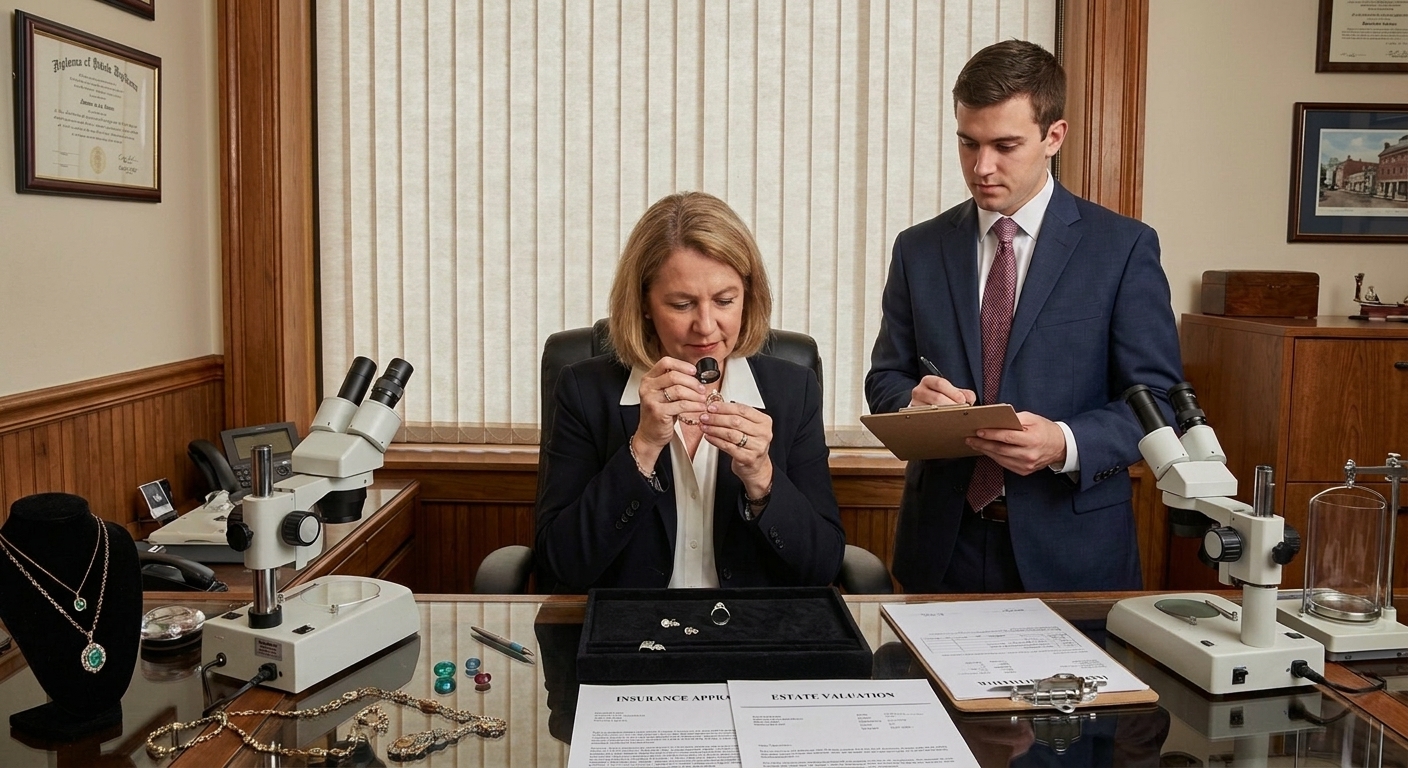
So here's the deal. If you're holding onto something valuable, that's great. Just don't treat those pieces like they'll protect themselves. Every stone should have a paper trail. Every valuation needs backup. And every insurance decision should be grounded in what the piece is actually worth — not just what you think it might fetch at a pawn shop.
When an Appraisal Isn't Optional
Nine times out of ten, your homeowner's policy won't cover fine jewelry without a rider. You own the necklace, you wear it to events — that's possession, not protection. The insurer doesn't care how much you paid for it, only whether you can prove its value and whether it was properly documented.
But if that piece gets stolen? Different story. Without an appraisal, you're stuck negotiating with an adjuster who's never seen the item and has no reason to believe your estimate. We see this play out constantly with estate jewelry. Plenty of families thought coverage was automatic — it wasn't. And when a claim gets flagged, the carrier expects to see a certified appraisal unless you want to settle for pennies on the dollar.
What Actually Gets Evaluated
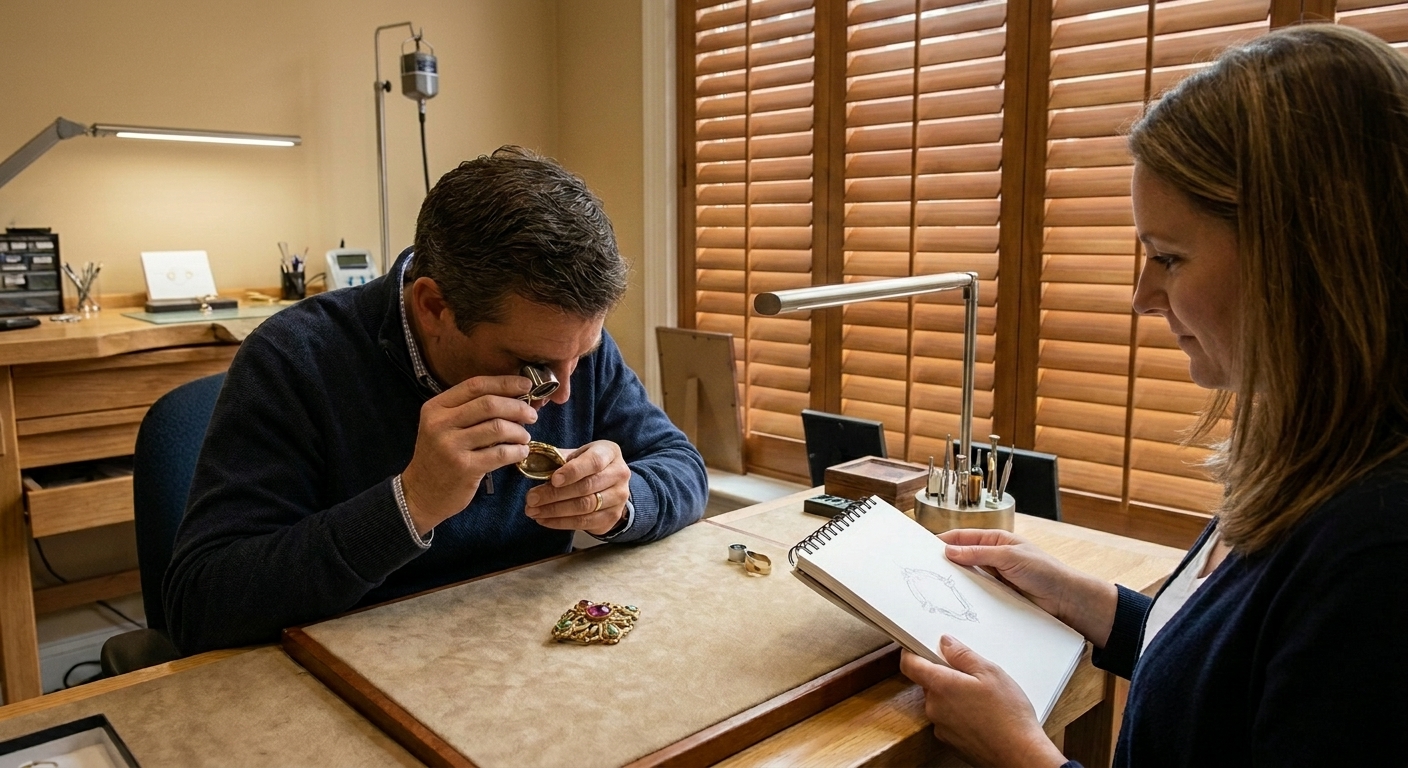
You can't just eyeball a piece and call it appraised — that's guessing, not documentation. But a certified evaluation? That's often what stands between you and a denied claim. The appraiser examines every detail that affects value.
Here's where that matters most:
- Gemstone quality: Cut, clarity, color, and carat weight all factor into replacement cost
- Metal content: Gold karat, platinum purity, and current market rates determine base value
- Craftsmanship: Hand-forged settings and designer signatures can double the price
- Condition: Chips, scratches, and loose stones drop value fast
- Provenance: Documented history or designer origin adds weight to the appraisal
When Credentials Actually Matter
Want a legitimate appraisal? You'll need to prove the appraiser was qualified — and that they followed industry standards.
The insurance company has three main checkpoints:
- The appraiser held recognized certification from GIA, AGS, or equivalent
- They conducted a physical examination, not just a photo review
- They provided a detailed written report with measurements, photos, and methodology
Fail one of those, and the appraisal falls apart. Even if you paid good money for it. And if the appraiser works for the store where you bought the piece? That's a conflict of interest. No carrier will accept a valuation from someone with skin in the sale.
Estate Division Gets Messy Without Documentation
If you're settling an estate with multiple heirs, there's no room for guesswork on what each piece is worth. Family sentiment doesn't translate to fair market value, and assumptions lead to to disputes.
You'll need professional appraisals to establish baseline values. Most estate attorneys won't move forward without them, and probate courts expect documentation that holds up under scrutiny. Especially if the estate includes antique or designer jewelry where values fluctuate.
Your Coverage Is Only As Good As Your Records
Want to keep your insurance valid? Show your work. You'll need more than a receipt from twenty years ago to back up your claim.
Here's what your documentation should include:
- A certified appraisal dated within the last three to five years
- High-resolution photographs from multiple angles
- Original purchase receipts or provenance records
- Certificates for diamonds or gemstones if available
- Updated valuations if market conditions have shifted significantly
If the insurer comes knocking after a claim, they won't just take your word for it. Mixing personal sentiment with actual value is one of the fastest ways to get lowballed on a settlement. So if that bracelet you inherited has sentimental worth but minimal resale value, you'd better have an appraisal that separates emotion from economics.
Where Most People Slip Up
Trying to use an outdated appraisal from 1995? The carrier won't find that acceptable. Market values shift, metal prices fluctuate, and what was worth three grand back then might be worth eight now — or two. Stale documentation can cost you real money or even trigger a denial.
Don't wait until you file a claim to realize your appraisal expired. If you skip updates, you're gambling with coverage. If you overestimate without proof, you risk inconsistencies that raise red flags. Get reappraised every few years. It's tedious. It works.
Picking the Right Appraiser in Annapolis
If your collection includes heirlooms, high-value pieces, or anything with unclear provenance, you're in territory where the wrong appraiser gets expensive.
A qualified professional helps you:
- Identify which pieces need formal appraisal and which don't
- Apply current market data to establish accurate replacement costs
- Separate insurance value from estate value cleanly
- Handle documentation that satisfies both carriers and probate courts
- Keep your coverage airtight and your estate plan defensible
It's not just about getting a number on paper this year. It's about setting up clean records that keep your assets protected and your heirs out of conflict when it matters most.
Protection Starts With Proof
Owning valuable jewelry isn't the hard part. Proving what it's worth — and defending that value when you need to — that's where people get caught off guard. There's no excuse for skipping appraisals when the coverage is there for the taking. But there's also no forgiveness when you blow past the documentation requirements and expect the insurer to play along.
Getting a certified appraisal in Annapolis means working with someone who understands both gemology and the legal standards that insurance companies and estate attorneys demand. We're talking about professionals who bring the tools, the credentials, and the independence to deliver valuations that actually hold up under scrutiny — not just estimates scribbled on the back of a business card. If you're looking to sell your old jewelry, understanding proper valuation becomes even more critical. For those considering updating and remounting old jewelry, an accurate appraisal establishes the starting point for any redesign project. Whether you need jewelry services for maintenance or appraisal, working with experienced professionals ensures your pieces receive the attention they deserve. Understanding diamond education can also help you better appreciate what factors drive your jewelry's appraised value.
Let’s Secure Your Jewelry’s True Value
We know how important it is to protect your cherished pieces and keep your insurance or estate plans rock solid. Let’s make sure your jewelry is properly documented and valued, so you’re never left guessing when it matters most. Call us at 410-266-9559 to speak with our team, or get a quote today and take the first step toward peace of mind.
‹ Back
Recent Posts
-
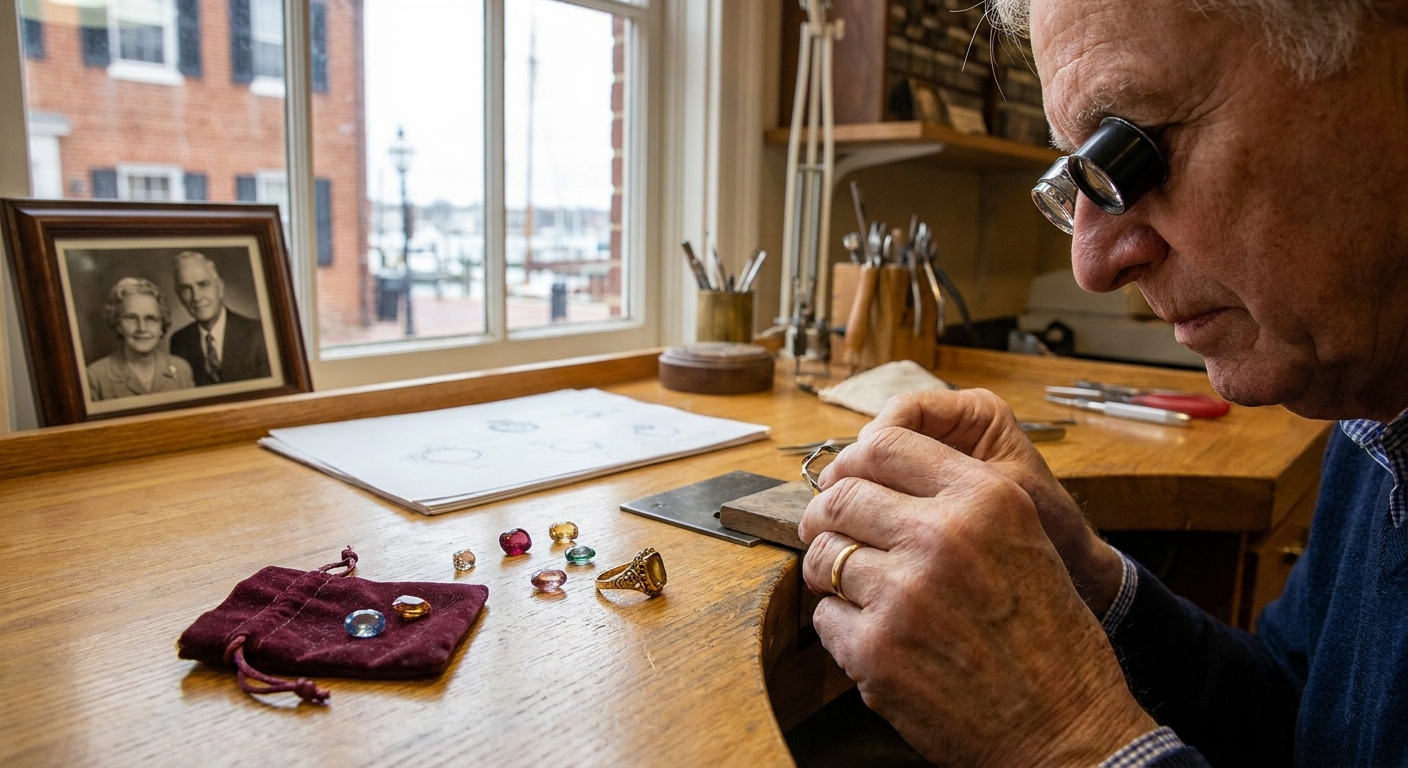
Can You Give a Family Heirloom New Life With Custom Jewelry in Annapolis?
September 10, 2026
-
How Do You Choose the Right Wedding Band in Annapolis?
August 4, 2026
-
-
-