.png)


By using our website, you agree to the use of cookies as described in our Cookie Policy
We Are Happy to Service All Carlynda Jewelers Clients
Will Your Heirloom Jewelry Redesign in Annapolis Lose Value?
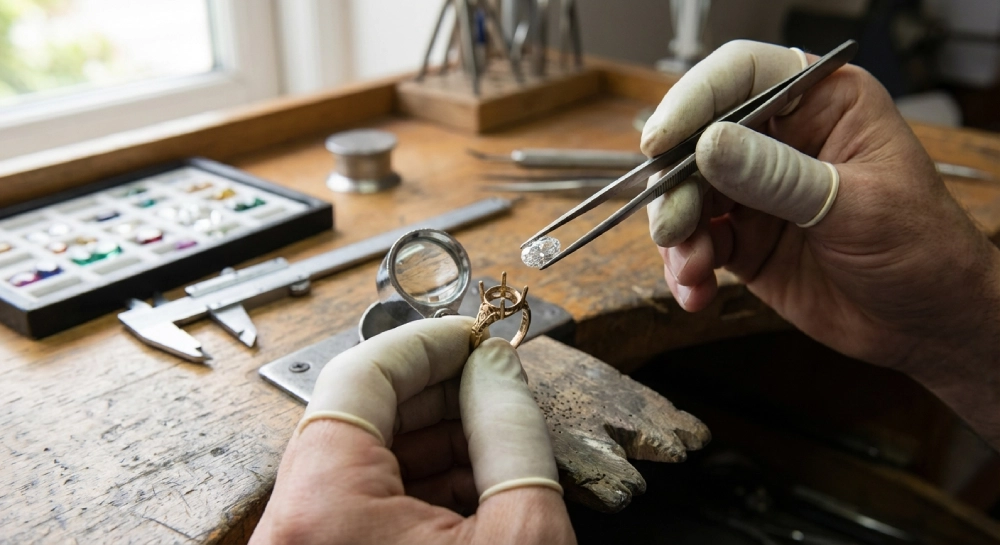
Most families hold onto jewelry because they think it's valuable. Some of it is. Most of it? Not nearly as much as people assume. But that doesn't mean the piece isn't worth something. It just means you need to understand what you're working with before you start ripping stones out of old settings or melting down gold bands that haven't been worn since 1987.
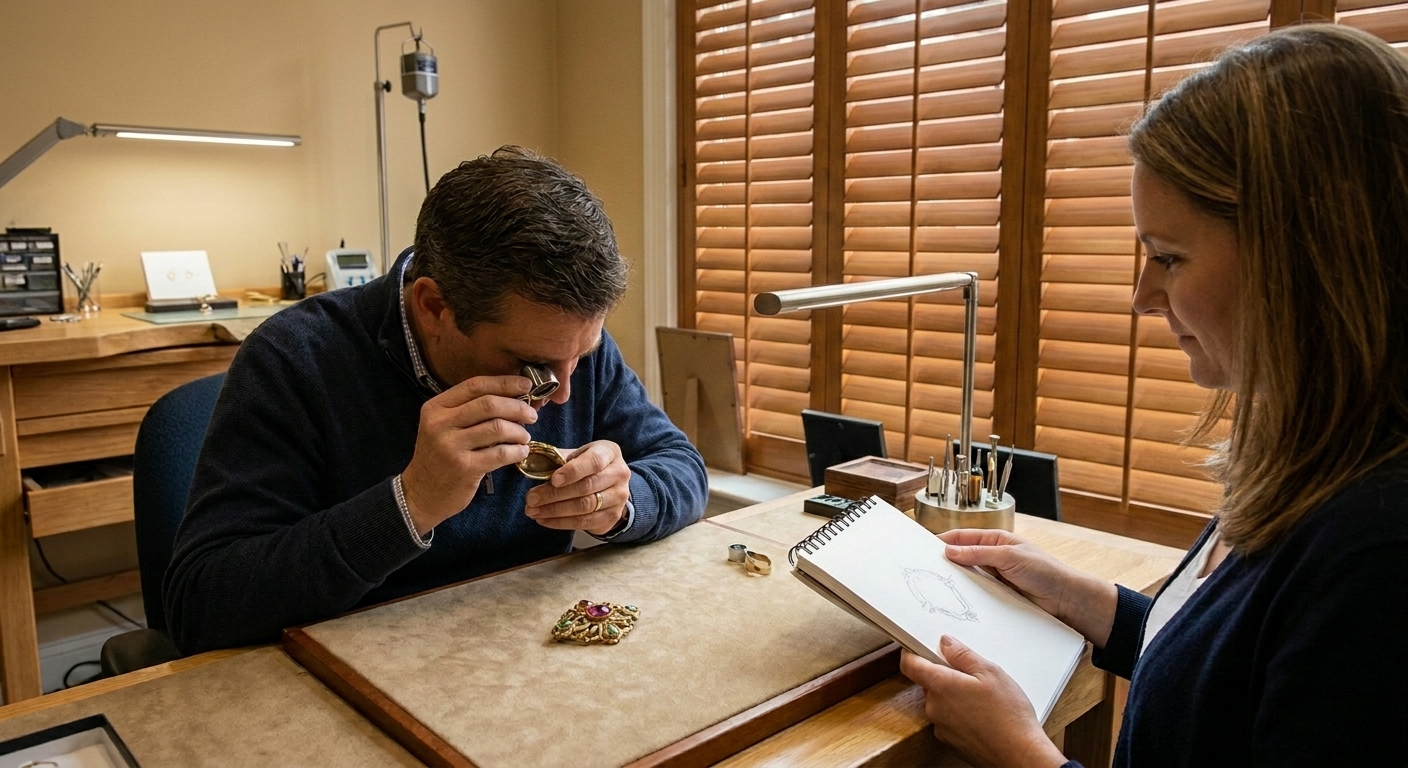
Redesigning heirloom jewelry isn't about erasing history. It's about making something wearable again. Something you'll actually put on. But if you don't approach it with the right information, you could strip away the only thing that made the piece worth keeping in the first place. Value isn't always about carats or metal weight. Sometimes it's about who made it, when it was made, and whether anyone else wants what you've got.
What Actually Determines Worth
Two types of value exist in every heirloom piece: what it means to you and what someone else would pay for it. Those numbers rarely match. Emotional attachment doesn't translate to resale price, and rarity doesn't always equal sentimentality. We've seen families agonize over pieces that appraise for less than the cost of a decent dinner, and we've seen people toss aside signed estate jewelry because they didn't recognize the maker's mark.
In Annapolis, where traditions run deep and family legacies still carry weight, heirloom pieces often sit in drawers for decades. Untouched. Unworn. Waiting for someone to decide what happens next. The real question isn't whether you should redesign—it's whether the piece has intrinsic value beyond the materials, and whether you care more about preserving that or creating something new.
When Original Design Matters More Than You Think
If your piece was crafted by a notable designer, manufactured during a specific historical period, or features handwork that can't be replicated today, altering it could tank its market value. Collectors pay premiums for originality. A Georgian mourning ring in pristine condition? Worth significantly more than the gold and gemstones combined. Melt it down or reset the stone, and you've just converted a collectible into scrap metal.
But here's where most people get stuck. They assume everything old is automatically valuable in its original form. It's not. Mass-produced pieces from the mid-20th century, generic settings with no maker's marks, and damaged jewelry that's already been repaired multiple times—those don't carry the same risk. If the design itself isn't rare or historically significant, you're free to reimagine it without losing much on the monetary side.
- Signed pieces from known jewelers or design houses often hold more value intact
- Antique jewelry from specific eras may be worth more to collectors unaltered
- Handcrafted details like filigree, engraving, or milgrain can't always be reproduced
- Provenance matters—documentation of origin or ownership increases worth
- Generic settings with no unique characteristics lose little value through redesign
Material Value Versus Craftsmanship
Strip away the nostalgia and most heirloom jewelry is just metal and stones. If that's all you're working with—no designer name, no historical significance, no rare techniques—then redesigning won't hurt the financial value because there wasn't much to begin with. The gold is still gold. The diamonds are still diamonds. You're just rearranging them into something you'll wear instead of something you won't.
Annapolis jewelers who specialize in custom work see this constantly. Clients bring in outdated rings, broken bracelets, and earrings missing their mates. The pieces have meaning, but they're not museum-quality. In those cases, redesign makes perfect sense. You keep the materials, honor the memory, and end up with jewelry that fits your life instead of gathering dust in a safe deposit box.
- Precious metals retain value regardless of the setting they're in
- Gemstones can be reused without losing their appraisal weight or quality
- Combining stones from multiple pieces can create something more wearable
- Modern settings often showcase gems better than outdated designs
- Scrap value is scrap value—it doesn't care what shape the metal was in
Steps That Protect What Matters
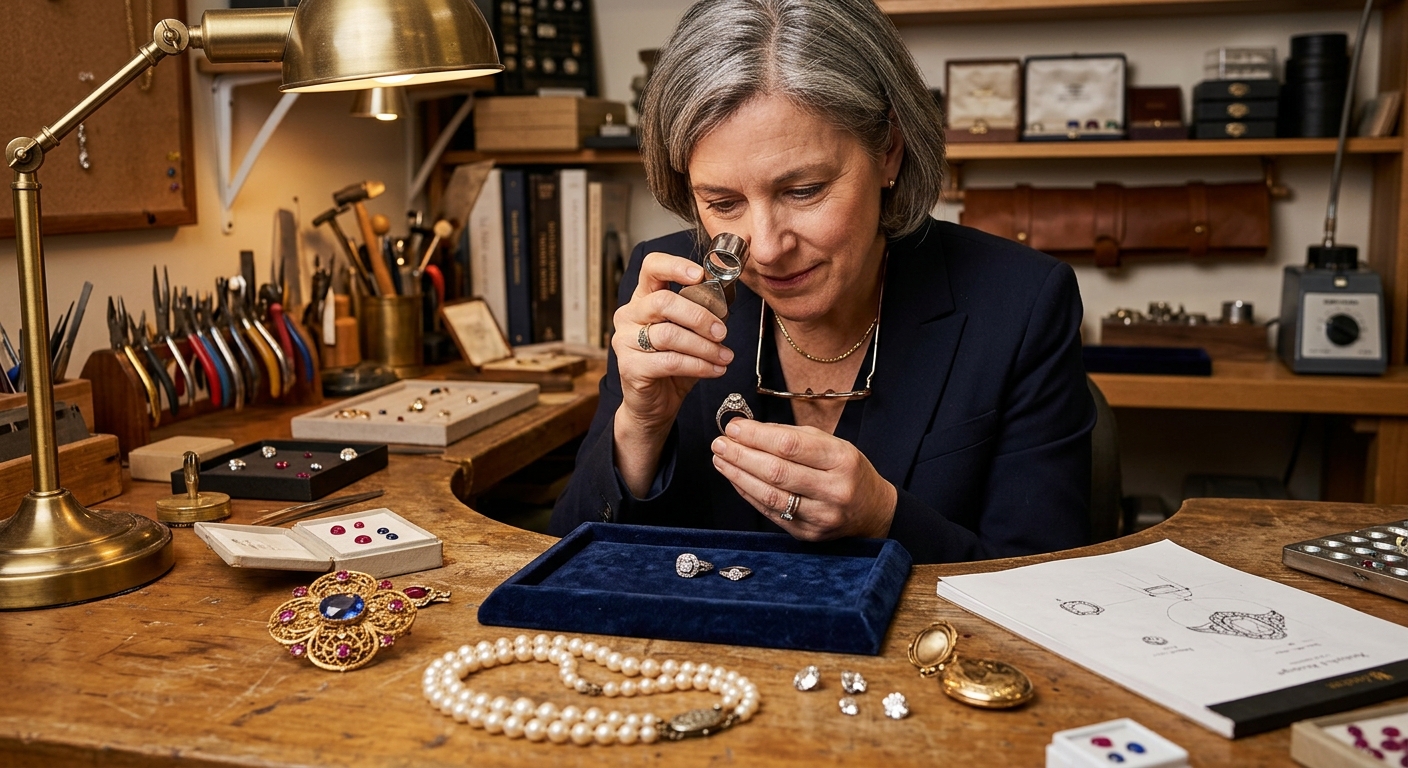
Before you hand over your grandmother's ring to be melted down, get it appraised. Not by the jeweler who's going to do the work—by an independent certified appraiser. You need to know what you're starting with. Is it worth two hundred dollars or twenty thousand? That answer changes everything.
Once you know the baseline, you can make informed decisions. If the piece has significant value as-is, you might preserve it and buy something new instead. If it's valuable only for the materials, redesign becomes a low-risk option. And if you're working with a jeweler in Annapolis who understands heirlooms, they'll guide you through the process without pushing you toward choices that serve their bottom line instead of your interests.
- Independent appraisals give you leverage and clarity before redesign discussions
- Detailed photographs preserve a visual record of the original piece
- Experienced jewelers know which elements to save and which to update
- Reversible modifications allow future generations to restore original designs if desired
- Documentation of materials and provenance protects insurance coverage
Where Most People Go Wrong
The biggest mistake? Assuming every old piece is priceless. It's not. The second biggest? Treating jewelry like it's fragile history when it's actually just outdated fashion. Somewhere between those two extremes is where smart decisions happen.
We've watched clients panic over costume jewelry they thought was estate gold, and we've seen others casually destroy signed pieces because they didn't know better. Both scenarios are avoidable. Get the facts. Understand what you own. Then decide whether redesigning aligns with your goals—financial, emotional, or both.
- Not all antique jewelry qualifies as valuable beyond materials
- Sentimental attachment doesn't automatically translate to resale worth
- Ignoring professional appraisals leads to costly mistakes
- Choosing jewelers based on price instead of expertise backfires
- Waiting too long to act often results in further damage or loss
Making It Work for You
Heirloom jewelry exists to be passed down, not locked away. If redesigning means you'll wear it, enjoy it, and eventually pass it to someone who'll do the same, that's value creation—even if the dollar amount doesn't budge. But if the piece holds historical or collectible significance that would be erased by alteration, preservation might be the smarter play.
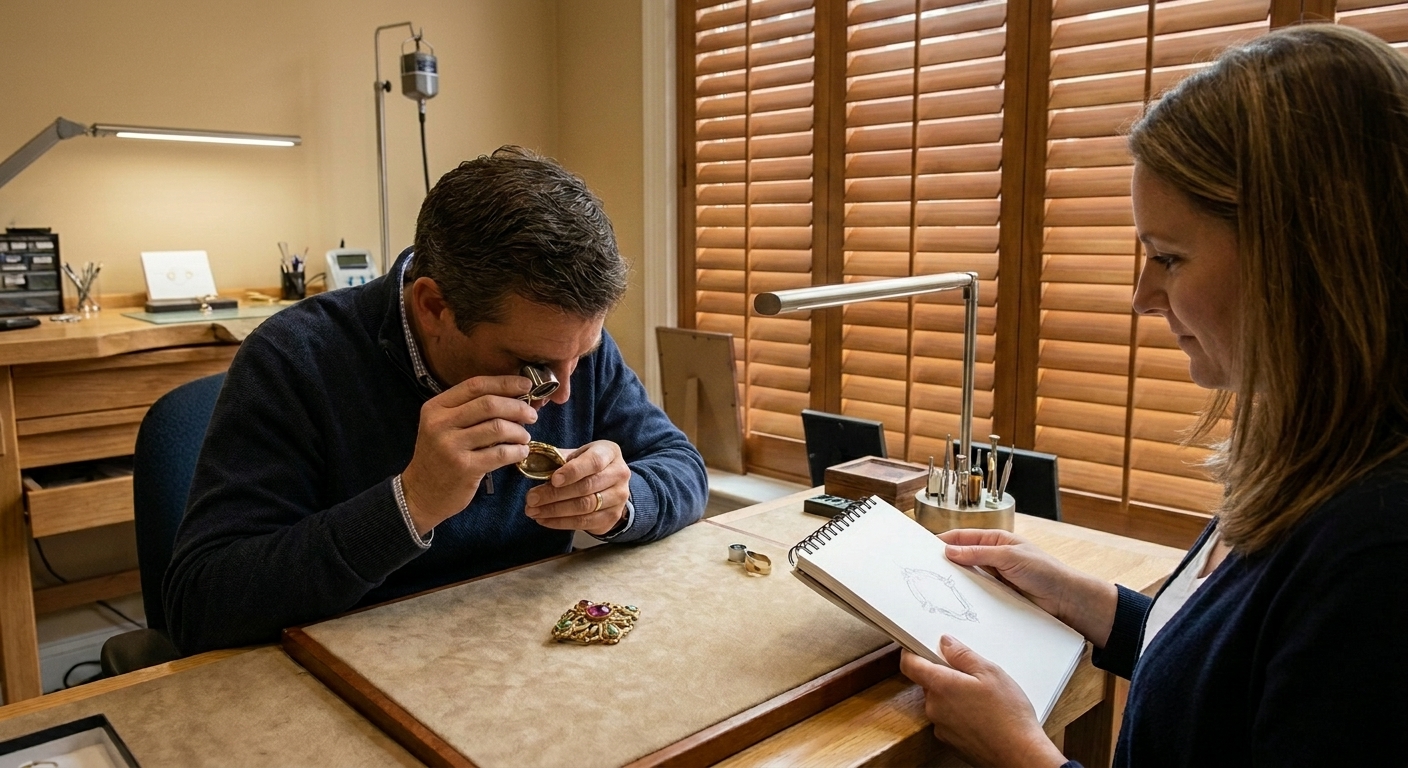
Annapolis jewelers who handle custom redesigns understand the balance. They know when to push for modernization and when to suggest leaving well enough alone. The right partner in this process won't just take your money and do what you ask—they'll help you think through consequences, explore options, and land on a solution that respects both the past and your present needs. Redesign done right doesn't destroy value. It redirects it toward something that actually matters to you.
Let’s Create Something You’ll Treasure
We believe your heirloom jewelry should be as meaningful to wear as it is to remember. If you’re ready to explore redesign options or want expert advice on preserving what matters most, let’s talk it through together. Call us at 410-266-9559 or get a quote and start the conversation about transforming your family’s story into something you’ll love for years to come.
‹ Back
Recent Posts
-
Can You Give a Family Heirloom New Life With Custom Jewelry in Annapolis?
September 10, 2026
-
How Do You Choose the Right Wedding Band in Annapolis?
August 4, 2026
-
-
-